Cold, dry winters are specific. When the air is dry rather than damp, the wind matters more than the thermometer, and that changes what a garment needs to do. A coat that performs well in a mild city may be inadequate there, and a fabric that looks substantial on a hanger can lose its warmth quickly once the wind picks up. This is a practical guide to reading fabric composition and construction before you buy.
01 Why fibre composition matters more than weight
A garment's warmth is not simply a function of how heavy it is. A 400gsm acrylic fleece will feel warm in a shop but compress under a coat and lose most of its insulating capacity. Wool, by contrast, traps air in its natural crimp structure and retains warmth even when slightly damp. For cold winters, wool is a reliable base for an outer or mid layer.
The percentage matters too. A coat labelled 50% wool and 50% polyester will behave differently from one at 80% wool. The polyester adds durability and reduces cost, but it also reduces breathability and the natural temperature-regulating quality that makes wool comfortable across a range of activity levels.
02 Linen in autumn: more useful than you might expect
Linen has a reputation as a summer fabric, and in most of Japan that is accurate. Further north, the season is different. September and October are cool enough that a heavier linen shirt, particularly one woven at 180gsm or above, works well as a mid-layer under a wool coat. The fibre is strong, it softens with washing rather than degrading, and it breathes in a way that cotton does not.
The key is weight. Lightweight linen at 100gsm or below is genuinely a summer fabric and will feel thin and cold from October onward. Look for the weight on the label or ask the seller. If the label does not specify, hold the fabric up to the light: if you can see your hand clearly through it, it is too light for autumn layering.
03 What to look for in a wool overcoat
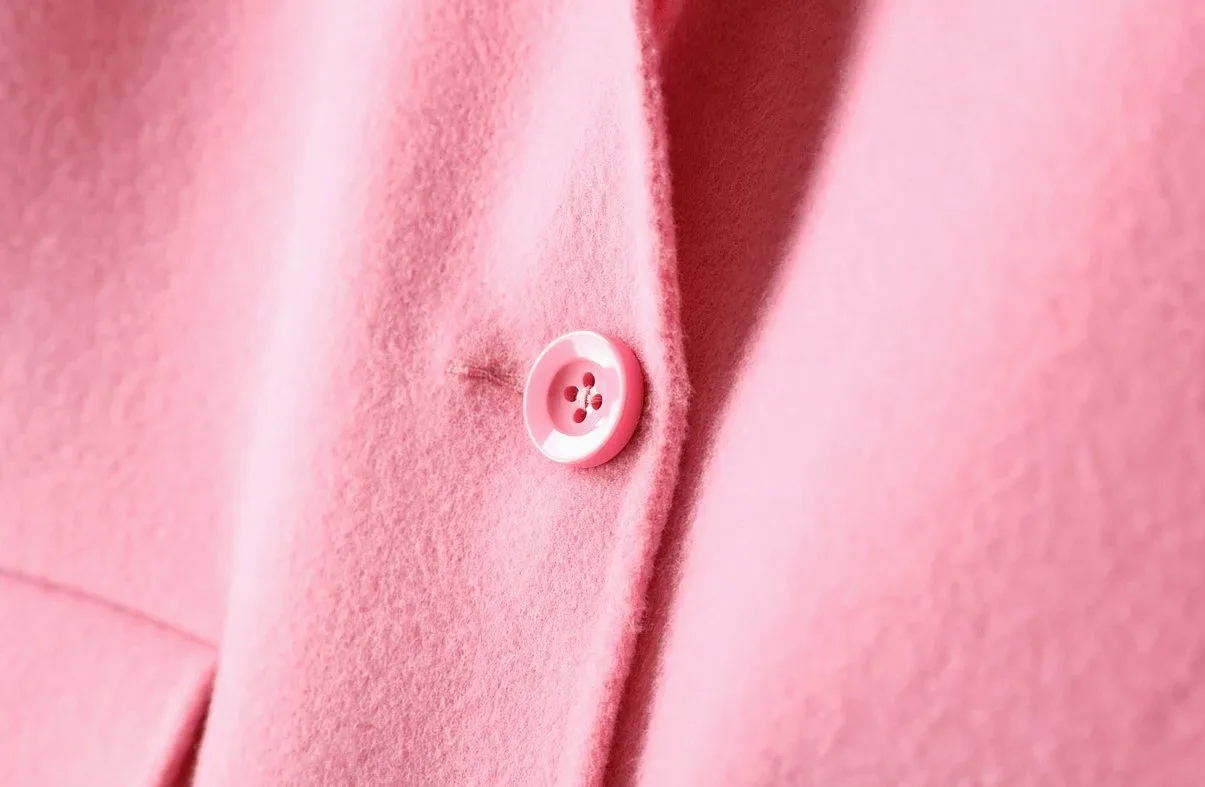
The brushing process on a wool overcoat affects both its feel and its weather resistance. A brushed finish raises the surface fibres slightly, which creates a denser barrier against wind and light rain without adding a synthetic coating. It also gives the fabric a softer hand than an unbrushed wool of the same weight.
Check the seams. On a coat that will be worn daily through a cold winter, the seams at the shoulder and the armhole take the most stress. Flat-felled seams or bound seams will outlast an overlocked finish by several years. This is not visible from the outside of the coat, but a seller who knows the stock will be able to tell you.
- Check wool percentage: 70% or above for genuine warmth
- Look for brushed or boiled finishes for wind resistance
- Inspect shoulder and armhole seams for flat-felled construction
- Ask about the mill of origin if the label does not specify
- Try the coat over your heaviest mid-layer, not just a shirt
04 Caring for natural fibres through a long winter
Wool does not need to be washed as frequently as cotton. Airing a wool coat overnight after wearing it will remove most odour and allow the fibres to recover their shape. Washing too frequently breaks down the lanolin in the wool and shortens the garment's life. For most wool outerwear, two or three washes across a full winter season is sufficient.
Linen and cotton can be washed more frequently, but high heat is the enemy of both. A 30-degree wash and a flat dry will keep a linen shirt in good condition for many years. Tumble drying linen at high heat will shrink it and weaken the fibre structure within a few cycles.
If you are unsure about a specific piece, send us a photograph of its label. We are happy to give an honest assessment of how it is likely to perform through a cold winter.